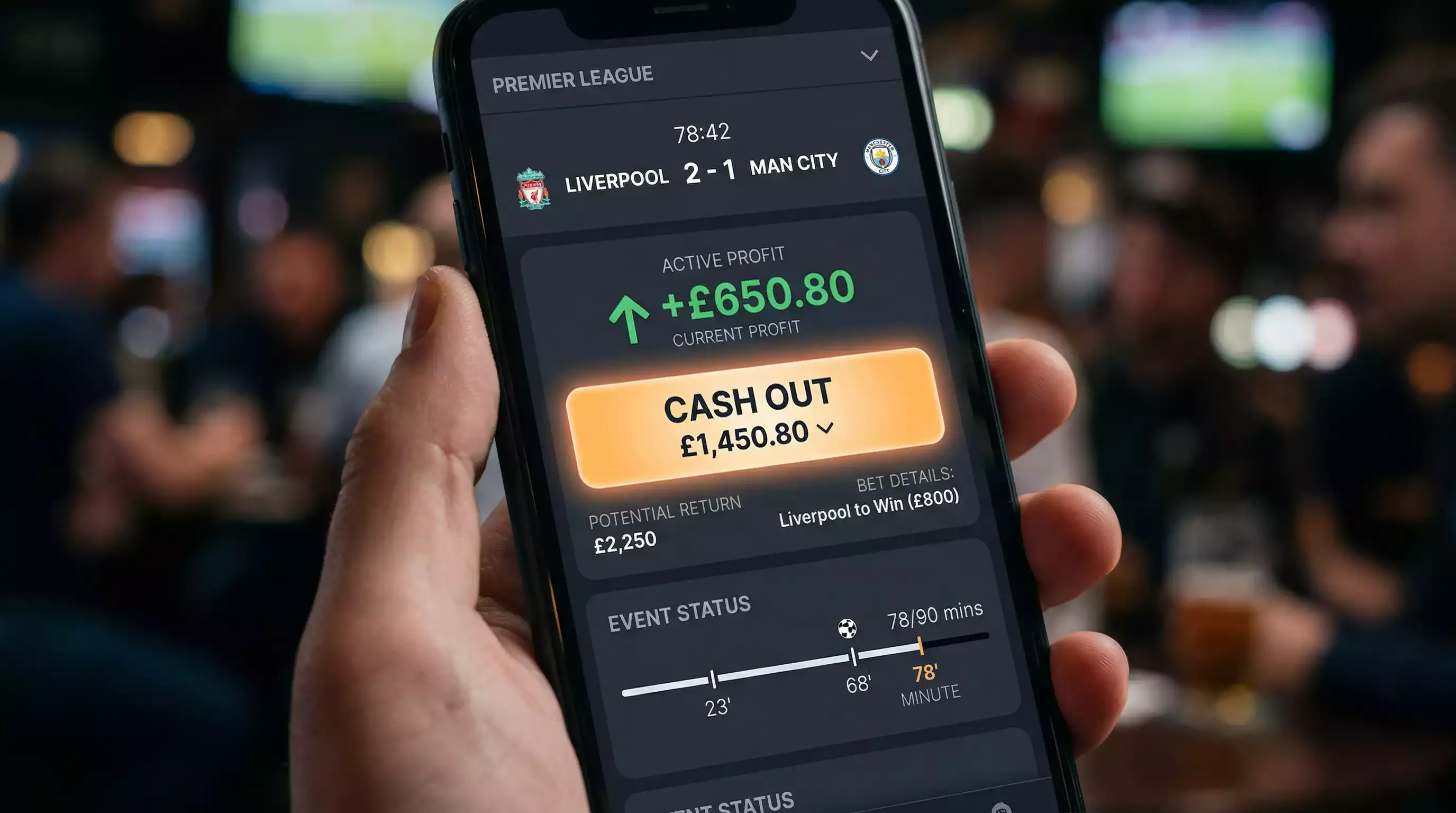
NBA 2K Prop Bets: Player and Match Props for UK Bettors
 Available in US
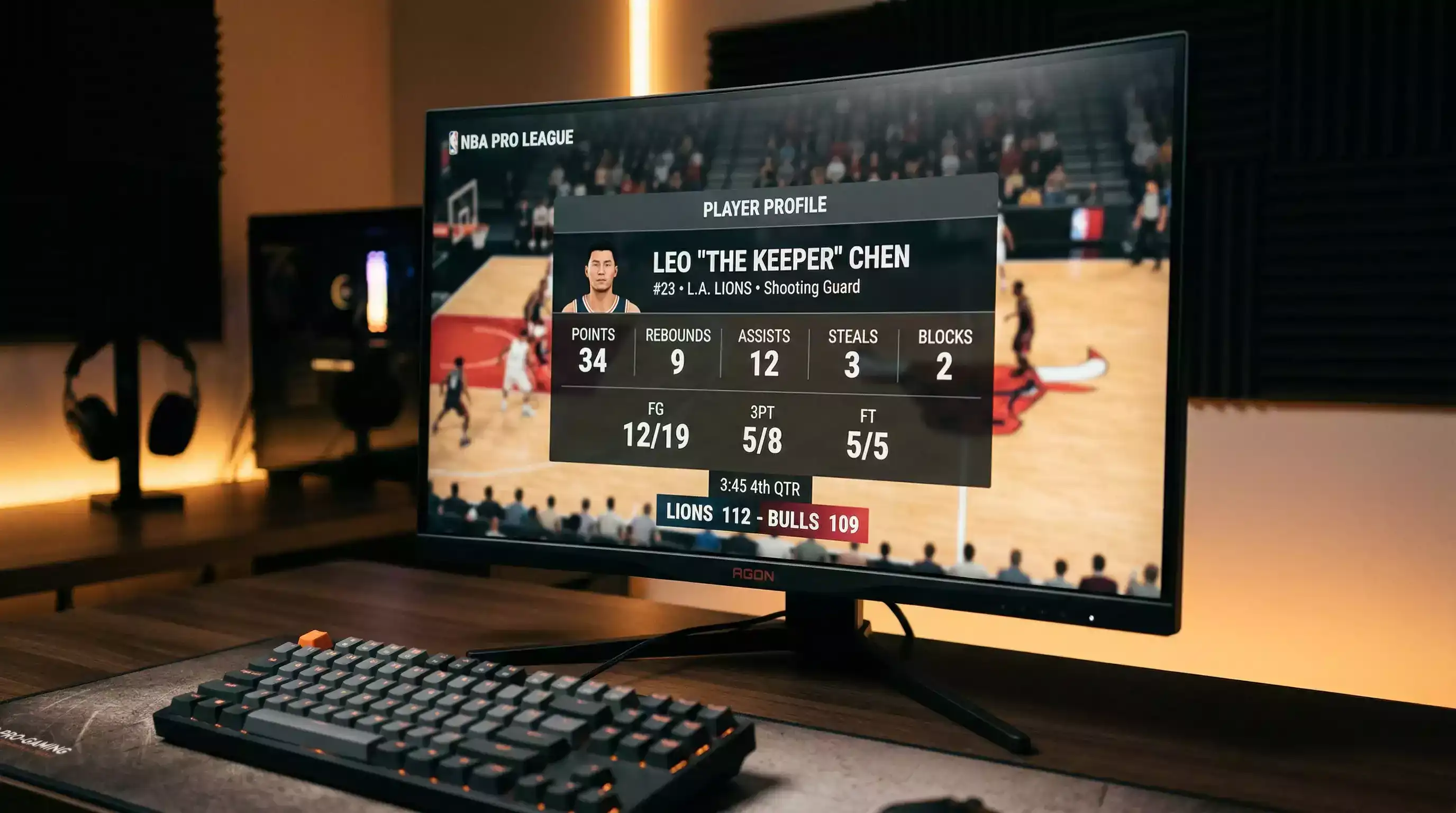
Last spring, I backed a player prop on points scored that seemed ridiculously generous. The line was set at 18.5, but I’d been tracking this particular player’s recent tournament performances – he’d scored 22, 25, 19, and 24 in consecutive matches. The over hit comfortably. What struck me wasn’t the win itself but how few bettors seemed to be paying attention to these markets at all.
Proposition bets – props – sit in the betting landscape’s most interesting corner. They’re not about who wins or loses. They’re about specific events within matches: individual performances, statistical milestones, in-game occurrences. For NBA 2K, props remain comparatively underdeveloped compared to traditional basketball, but that gap creates opportunity for those willing to do the work.
Types of Prop Bets in NBA 2K
Peter Camden, Competitive Gaming Product Manager at SIS, recently noted that tournament-based esports betting will continue to see its demand increase, with numerous million-pound events already scheduled. As the 2K League’s $5 million prize pool demonstrates, serious money attracts serious markets – including expanding prop offerings.
Player props dominate available options. These typically focus on statistical outputs: total points, assists, rebounds, steals, or combined stats. Lines might look like “Player X over/under 22.5 points” or “Player Y over/under 6.5 assists.” You’re betting on individual performance irrespective of match outcome.
Game props relate to match events rather than individuals. Examples include: first team to score, total three-pointers made by both teams, whether any quarter will feature a specific scoring threshold, or the exact margin of victory. These vary significantly by operator, with some bookmakers offering dozens of game prop options while others provide only basics.
Exotic props occasionally appear for major tournaments – largest lead in a match, combined turnovers, whether overtime will occur. These carry higher margins and thinner markets but can present value when your match analysis suggests unusual game states.
The breadth of prop offerings correlates with match importance. Regular season games might feature only a handful of player points props. Championship matches can see twenty or thirty different propositions across multiple categories. Knowing when expanded markets will be available helps in planning your betting calendar.
Player Performance Props
I’ve found player props to be where genuine edge exists most frequently. Here’s why: bookmakers devote less resources to pricing individual esports player lines than they do to match outcomes or handicaps. The data infrastructure simply isn’t as robust. That creates soft numbers for those tracking performance closely.
Points lines represent the most common offering. Bookmakers set a number based on recent scoring averages, adjusted for opponent defensive ratings and expected game flow. If a typically high-scoring player faces a weak defensive team in a match projected to be high-pace, the points line rises accordingly. If they’re facing shutdown defence in a likely slugfest, it drops.
But averages obscure variance. Some players are remarkably consistent, hitting within a narrow scoring band match after match. Others are streaky – capable of 30-point explosions or 12-point duds depending on shot timing and game dynamics. Understanding a player’s variance profile matters as much as knowing their average.
Assists props require different analysis. High-assist players typically run point guard roles, facilitating offence through passing. Their assist numbers depend heavily on teammate shooting efficiency – a player might create excellent looks that simply don’t fall in one match while the same output converts to double-digit assists in another. This variance makes assists props riskier than points but potentially more mispriced.
Combined stats props – points plus rebounds plus assists, for instance – aggregate multiple statistical categories. These smooth individual variance but complicate analysis since you’re now projecting three outputs rather than one. I find these most useful for players who contribute across categories consistently rather than specialists in one area.
Match and Team Props
If player props test your knowledge of individuals, match props examine your read on game dynamics. They ask fundamentally different questions: not “how well will this player perform?” but “what kind of match will this be?”
First team to score props seem like coin flips but aren’t quite. Some squads are notoriously fast starters, pushing early pace and forcing opponents into uncomfortable positions. Others take time to settle, frequently conceding early buckets before finding rhythm. Tracking these tendencies across multiple matches reveals exploitable patterns.
Team total props function like one-sided over/unders. Instead of betting combined scoring, you’re projecting a single team’s output. These require understanding how specific matchups influence individual team performance – a defence-first squad might hold high-powered opponents to totals well below their average while a porous defence might elevate opponent scoring dramatically.
Quarter and half props break matches into segments. First quarter over/unders, highest-scoring quarter, whether specific quarters will exceed certain thresholds – these allow you to capitalise on knowledge about team tendencies at different match stages. Some squads consistently outscore opponents in fourth quarters. Others fade late. Segmented props let you target those patterns specifically.
Margin of victory props ask for precise predictions. Will the winning team win by 1-5 points, 6-10 points, 11-15 points, or 16+? These carry longer odds reflecting their difficulty but reward accurate game projections handsomely when they land.
Prop Betting Strategy
The core strategic principle for props: specialisation beats generalisation. You cannot competently price fifty different propositions across ten matches. What you can do is develop genuine expertise in specific prop types for players and teams you follow closely.
I focus almost exclusively on points props for a handful of players I track intensively. I know their recent form, their tendencies against specific opponents, their historical performance in different game states. That depth of knowledge lets me spot mispriced lines when they appear. Spreading attention across every available prop would dilute that edge into nothing.
Data tracking is essential. Maintain records of lines offered, results achieved, and your own predictions. Over time, this dataset reveals where your analysis adds value and where you’re essentially guessing. Double down on strengths; abandon market segments where your projections underperform.
Line shopping matters enormously for props because margins tend to be wider than on main markets. One bookmaker might offer a player points over at 10/11 while another offers the same line at evens. That differential represents pure expected value transfer. Compare offerings across your licensed accounts before committing.
Bankroll allocation should reflect prop volatility. These markets are inherently higher variance than match outcomes or spreads. Sizing positions appropriately – smaller stakes on props, larger on core markets – protects your bankroll against inevitable cold streaks while still capturing value when it appears.
Finally, watch for correlation plays. If you’re backing a team to win comfortably, their star player probably needs to perform well for that to happen. Parlaying correlated outcomes – team to cover and key player over – can enhance returns while maintaining logical consistency. But be wary of the reverse: don’t back conflicting propositions that can’t both succeed.
What types of player props can I bet on in NBA 2K?
UK bookmakers typically offer player points over/unders as the most common prop. Depending on the match and operator, you might also find assists, rebounds, combined stats, and occasionally more exotic options like steals or three-pointers made. Major tournament matches feature the broadest prop selections.
What player props can I bet on in the 2K League?
The NBA 2K League’s professional structure means individual player statistics are tracked and published, enabling detailed prop markets. Points remain the primary offering, but expanded markets during playoffs and championship events include assists, rebounds, and combined performance props. Availability varies by bookmaker and match significance.
Published by the Esports Basketball Betting team.