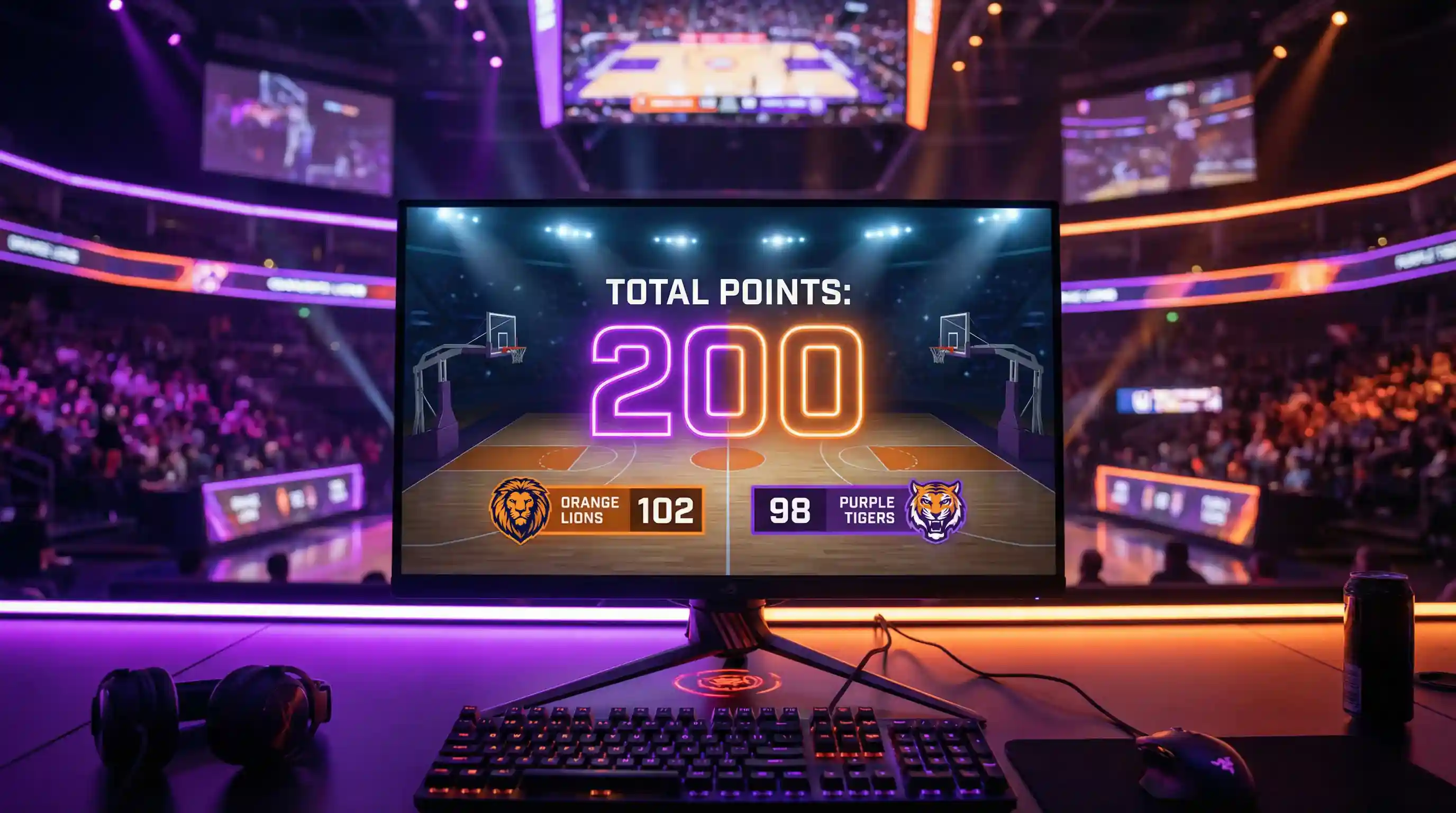
NBA 2K League 2025 Relaunch: New Format and What It Means for Bettors
 Available in US
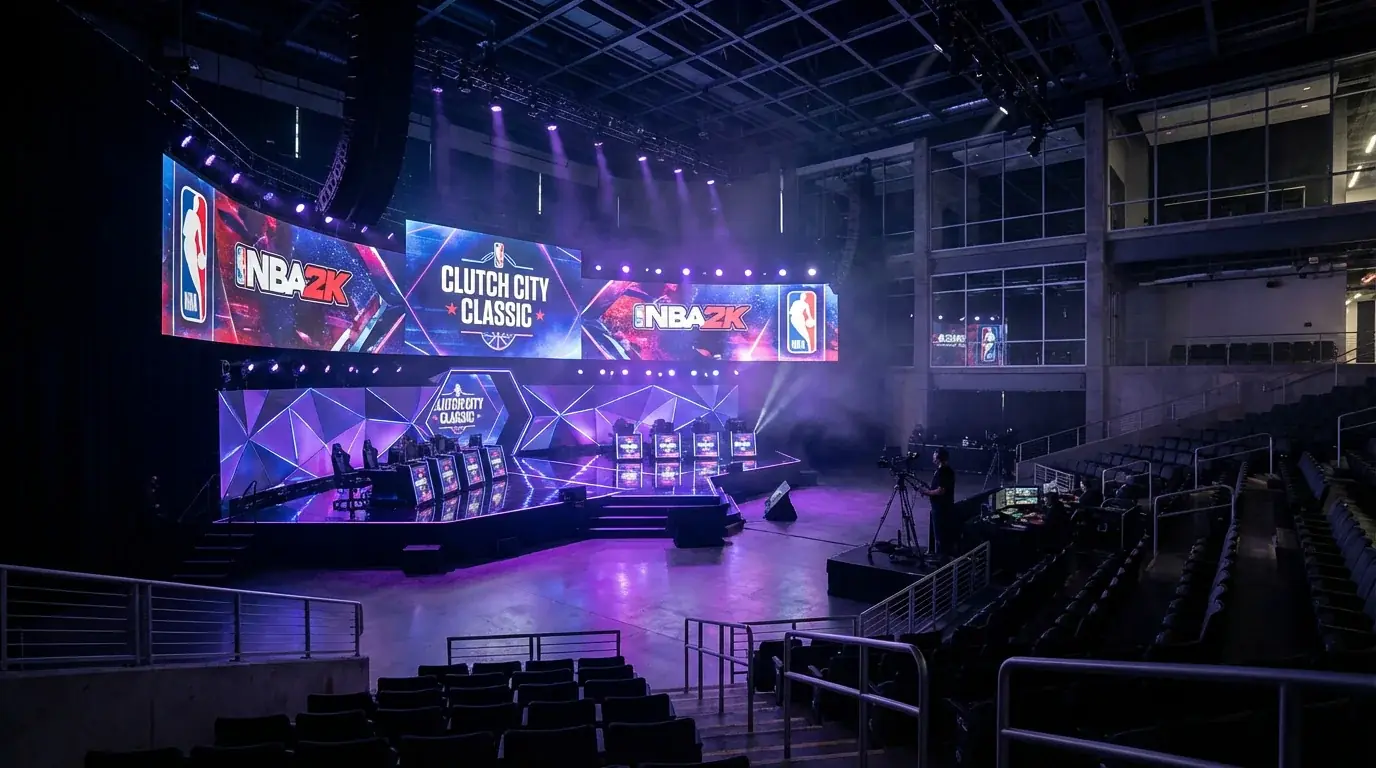
When the NBA 2K League went dark in 2024, the betting markets froze. Months of uncertainty followed – would professional 2K return, and in what form? Then came November 4, 2025. The league relaunched with a format so different from its predecessor that everything I’d learned about pricing these matches needed recalibration.
Understanding what changed – and why – matters enormously for UK bettors looking to engage with esports basketball. The old playbook is obsolete. What follows is the new reality.
What Changed in the 2025 Relaunch
Adam Silver, NBA Commissioner, framed the relaunch as engaging “the next generation of players, creators and fans.” That’s corporate speak for a fundamental restructuring designed to build sustainable audiences rather than chase vanity metrics.
The most dramatic shift: the league contracted from its previous roster of over twenty teams to just six. This wasn’t retreat – it was concentration. Fewer teams means deeper talent pools within each roster, higher production values per match, and more meaningful head-to-head rivalries. From a betting perspective, it also means smaller markets with less liquidity but potentially more predictable competitive dynamics.
Competition format transformed as well. The previous league operated through extended regular seasons followed by playoffs – traditional sports structure transplanted to esports. The relaunched version embraces tournament circuits more common in competitive gaming: discrete events with their own prize pools, qualification requirements, and championship implications.
Broadcasting shifted toward integrated content strategies. Rather than standalone match broadcasts, 2K League content now weaves through NBA’s broader digital ecosystem. Matches stream across Twitch, YouTube, and official NBA channels with coordinated scheduling designed to maximise audience crossover. The league has already generated over 691 million video views across platforms, demonstrating reach that betting markets will increasingly reflect.
Prize structures changed significantly. The 2025 pool hit $5 million – double the previous year’s allocation. Higher stakes attract more serious competitive preparation, which in turn produces matches where form and analysis matter more than variance. For bettors, this professionalisation means research investments pay dividends more consistently.
The New Six-Team Structure
Six teams might seem limiting, but concentration creates intensity. Every match carries weight when you’re facing the same opponents repeatedly across a season. Rivalries develop faster, tendencies become exploitable, and head-to-head histories matter more than in diluted fields.
The contraction also produced roster depth. Players who might have been starters on weaker franchises now compete for bench spots on stronger ones. This talent compression raises average match quality while potentially reducing competitive gaps between the best and worst squads. For handicap bettors, smaller spreads and tighter markets should become standard.
Team branding and identity now carry more weight. With fewer organisations to follow, each develops distinct public profiles – playstyles, personalities, narrative arcs. This storytelling dimension influences betting markets through public perception. A team perceived as clutch performers might attract disproportionate support in close matches regardless of statistical merit. Understanding these biases creates opportunities for contrarian positions.
Scheduling concentrates too. Fewer teams means fewer total matches, but those matches receive more individual attention. Production quality elevates, analysis coverage deepens, and betting markets stabilise around better information. The trade-off is reduced betting volume overall – fewer opportunities requires more patience and selectivity.
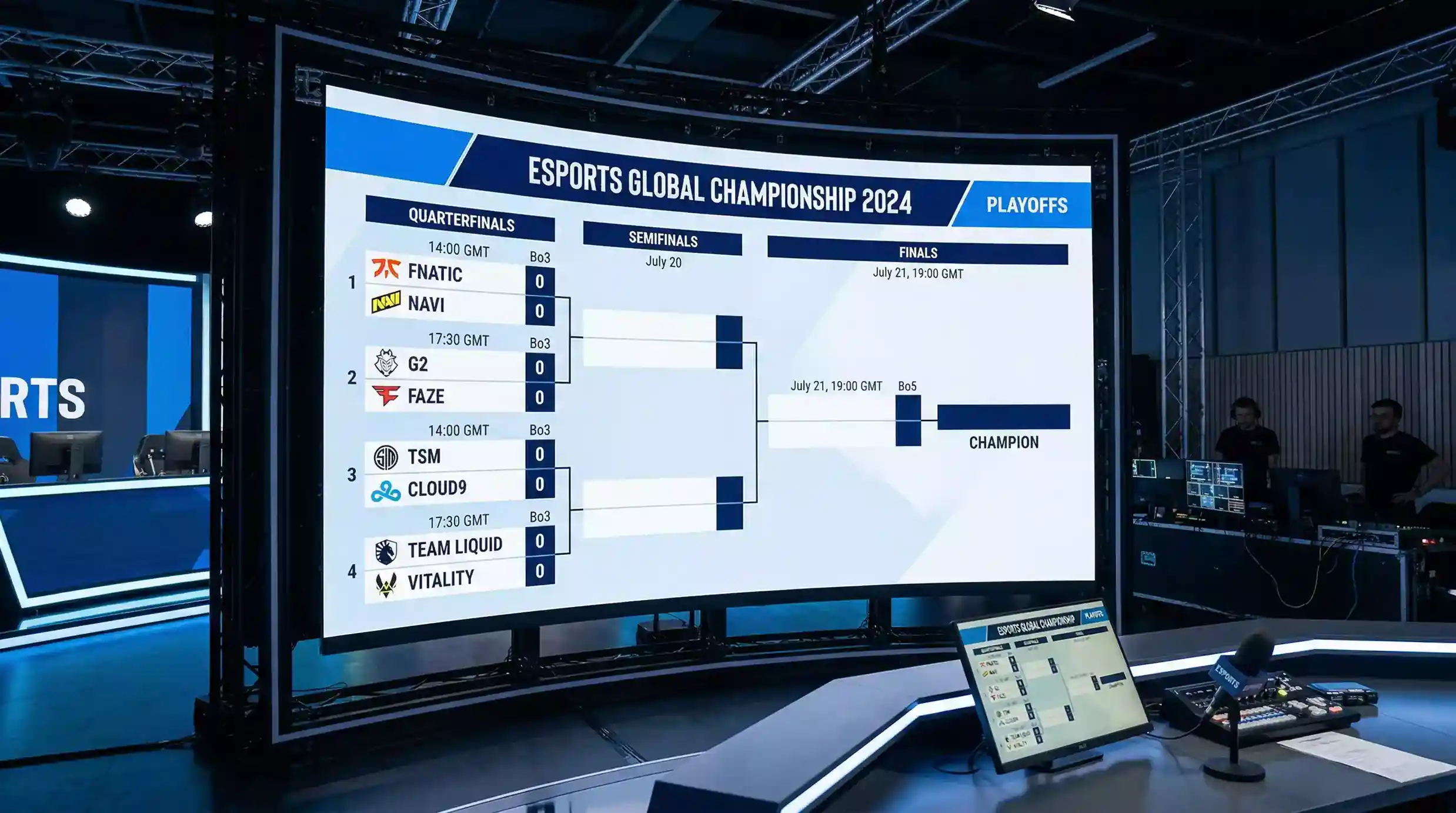
One structural note: the six-team format creates different tournament bracket possibilities than previous versions. Seeding matters more when the field is small. A top seed might face significantly easier paths to finals than a fourth seed despite modest performance gaps. Futures bettors should factor tournament structure into championship assessments, not just team quality in isolation.
Prize Pool Expansion
Money talks, and the league’s doubling of prize allocation speaks loudly. $5 million in 2025 versus $2.5 million in 2024 represents a clear signal: the NBA is investing in competitive gaming as a serious entertainment vertical rather than treating it as experimental outreach.
Higher stakes change player and team behaviour. When tournament winnings can match or exceed base salaries, preparation intensifies. Practice hours increase. Coaching staffs expand. Analysis becomes more sophisticated. The marginal return on effort rises, so effort increases accordingly.
For bettors, this professionalisation has mixed implications. On one hand, more serious preparation reduces random variance – teams perform closer to their true ability levels, making research more predictive. On the other hand, talent gaps may shrink as investment equalises across organisations. The worst teams improve faster than the best, compressing competitive ranges.
The total historical prize pool across 73 NBA 2K tournaments now exceeds $7.8 million. That cumulative investment has built infrastructure – training facilities, analytics tools, coaching networks – that new entrants now inherit. The ecosystem has professionalised beyond the point where raw talent alone wins tournaments. Understanding these structural advantages helps identify teams positioned to outperform market expectations.
Implications for Betting Markets
The relaunch disrupted betting market infrastructure. Historical data – the foundation of pricing models – became partially obsolete when format changed so dramatically. Bookmakers rebuilding odds frameworks have less certainty, which translates to softer opening lines and more movement as sharp money identifies mispricings.
For UK punters, this transition period presents opportunity. Early-season lines will be less accurate than mature-season ones. Getting positions before the market finds its footing means accessing value that won’t exist once odds stabilise. But it also means accepting higher uncertainty – your analysis might be wrong because the inputs themselves are unreliable.
New rivalries and matchup histories will develop over time. Initially, head-to-head data won’t exist because these specific six-team combinations haven’t competed before. As the season progresses, patterns emerge: certain teams consistently beat others regardless of broader form; specific stylistic matchups favour underdogs or favourites. Tracking these developments gives you information advantages the market may be slow to price.
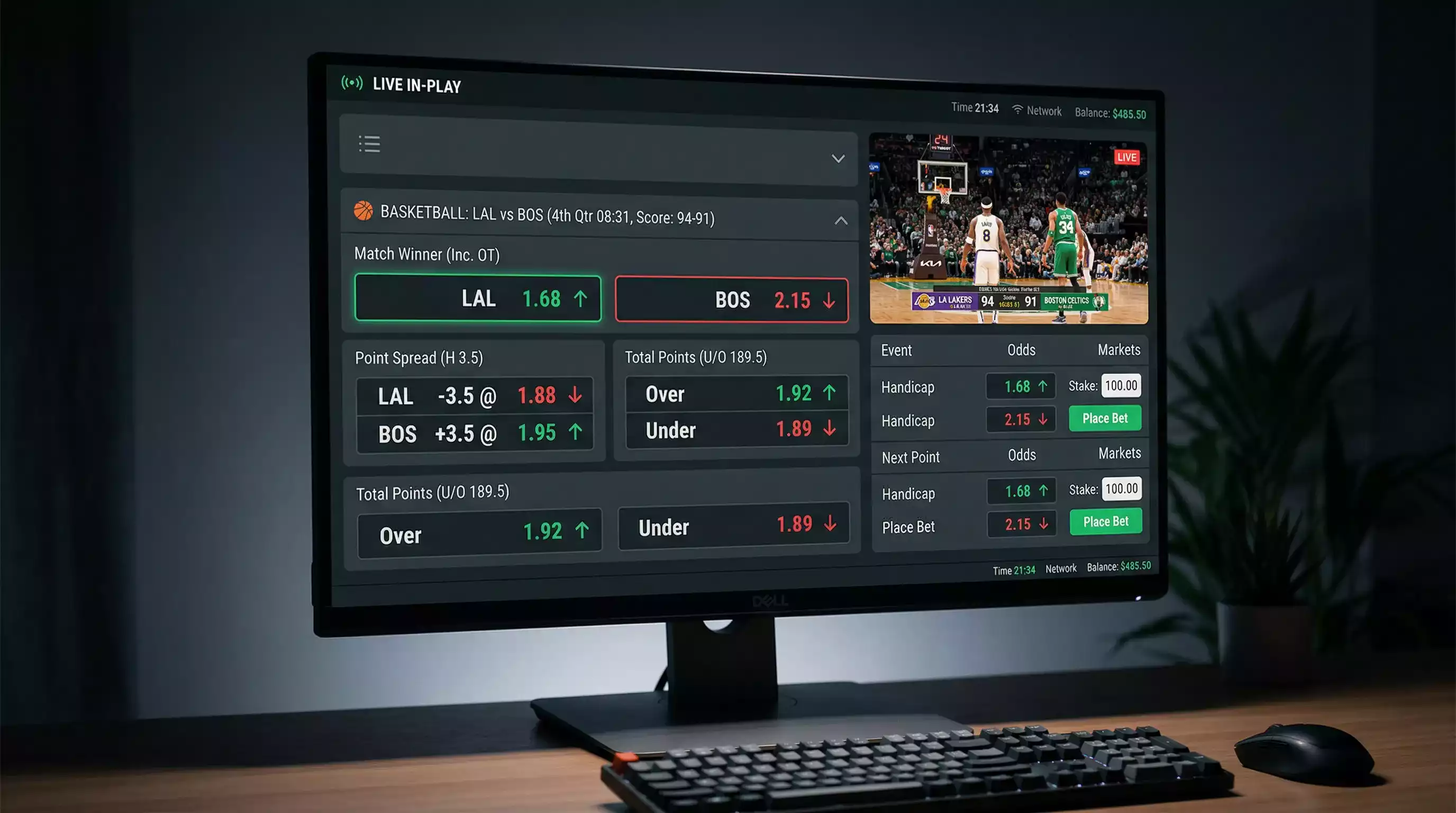
Live betting markets should find particular application. With less historical context to inform pre-match pricing, in-play odds based on actual game flow become relatively more valuable. Watching matches and assessing real-time dynamics offers edges that pure statistical models can’t replicate in early-season contexts.
Tournament format also changes optimal betting strategies. Circuit-based competition means teams may peak for certain events while coasting through others. Understanding which tournaments carry most importance – based on prize allocation, qualification implications, or prestige – helps identify when teams will bring maximum effort. Betting casual events with the same intensity as major championships likely produces subpar results.
The relaunch represents a reset button. What worked before may not work now. But for bettors willing to rebuild analysis frameworks alongside the league itself, the opportunity to establish edge before markets mature is genuinely compelling. I’m approaching this transition with more research hours and smaller position sizes – maximum learning, managed risk – until patterns clarify.
When did the NBA 2K League relaunch?
The NBA 2K League officially relaunched on 4 November 2025 with a new competitive format and reduced team count. This followed a hiatus that left betting markets uncertain about the league’s future structure and competitive landscape.
How does the new 2K League format affect betting?
The six-team structure means smaller markets with less liquidity but more concentrated competition. Historical data is partially obsolete, creating softer opening lines and greater price discovery opportunities. Tournament-circuit format requires tracking which events teams prioritise. Rivalries and head-to-head patterns will take time to develop, making early-season betting more uncertain but potentially more rewarding for prepared bettors.
Written by the editors at Esports Basketball Betting.