Esports Simulation Betting Explained: Virtual Sports in the UK
 Available in US

A colleague once asked me to explain the difference between esports, virtual sports, and simulation sports. Fifteen minutes later, we were both more confused than when we started. The terminology overlaps, operators use terms inconsistently, and the categories themselves blur at the edges. Clarity matters because these different products carry fundamentally different betting dynamics – and treating them interchangeably costs money.
Peter Camden from SIS captured an essential point: the barrier to entry is very low because bettors familiar with real-life sports immediately recognise the simulation equivalents. That familiarity helps – but it can also mislead when punters assume all digital sports operate identically. They don’t. Each category requires its own approach, its own expectations, and its own bankroll considerations.
Defining the Categories
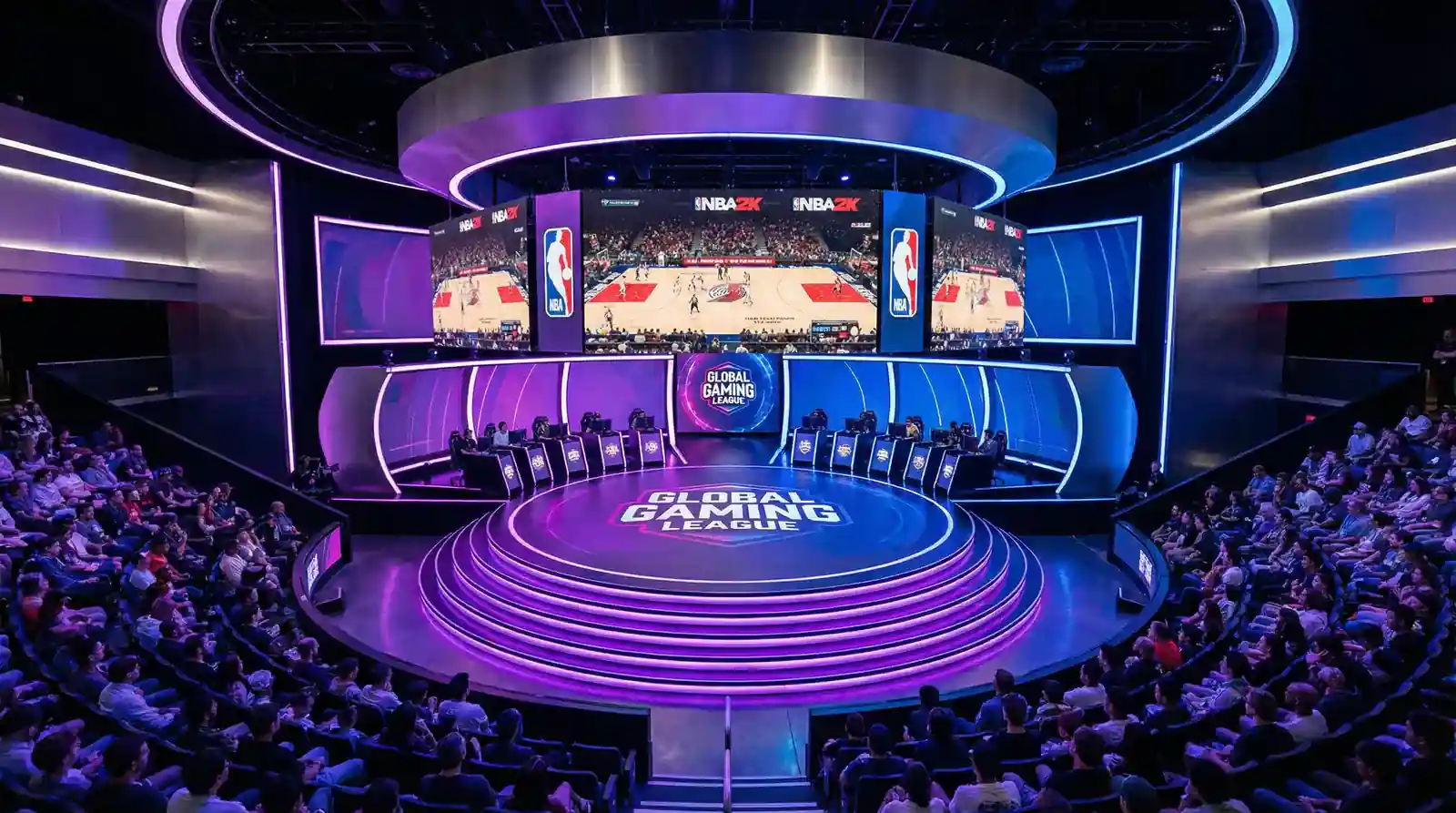
Esports refers to competitive video gaming where human players control the action. Real people make real-time decisions, execute strategies, and determine outcomes through skill. The NBA 2K League exemplifies esports – professional gamers compete against each other, and results depend on human performance.
Virtual sports describe computer-generated events where algorithms determine outcomes. No human players are involved; software simulates matches using random number generators weighted by fictional competitor attributes. Virtual football, virtual horse racing, virtual basketball – these products run continuously, producing results every few minutes around the clock.
Simulation sports occupy middle ground. Products like eBasketball or eSoccer use game engines similar to esports titles but run automated matches without human control. The game simulates competition based on programmed parameters; outcomes emerge from AI behaviour rather than RNG or human input.
The distinctions matter for betting. Esports outcomes reflect skill; better players and teams win more often. Virtual sports outcomes are essentially random within weighted parameters; analysis provides minimal edge because no competitive dynamics exist to analyse. Simulation sports fall somewhere between – game engines produce patterns, but without human decision-making, prediction differs from genuine competition.
Availability differs substantially across categories. Esports matches happen on schedules when human competitors are available – specific days, specific times, limited frequency. Virtual sports run constantly, generating new betting opportunities every few minutes. Simulation sports may offer either model depending on operator implementation. Your betting rhythm must adapt to product availability.
Peter Camden noted that eBasketball and eSoccer content has garnered significant interest among customers due to their deep-rooted interest in sports. The appeal makes sense – familiar sports formats in convenient digital delivery. But approaching these products with esports analytical frameworks misapplies tools to wrong problems.
Where NBA 2K Fits
NBA 2K League competition is unambiguously esports. Human players control every action; outcomes depend on skill, strategy, and execution. When you bet on 2K League matches, you’re betting on human competitive performance – the same fundamental proposition as traditional sports betting.
Strauss Zelnick, Take-Two’s CEO, described 2K as more than a simulation game – it’s a lifestyle. That lifestyle includes competitive infrastructure that parallels professional sports: franchises, seasons, championships, and careers. The game provides the platform; human competition provides the substance.
Some bookmakers also offer “NBA 2K” products that aren’t esports at all – automated simulations running 24/7 without human involvement. These share the game’s branding but not its competitive essence. Verify what you’re actually betting on: human competition with analysable dynamics, or algorithm-driven events with minimal prediction opportunity.
The NBA 2K League relaunched in November 2025 with six teams competing in tournament formats. This structure – discrete competitions, defined rosters, professional players – defines esports betting. Matches happen on schedules; preparation matters; form fluctuates. None of this applies to continuous simulation products sharing the 2K name.
How Betting Differs
Esports betting rewards research because human performance varies in analysable ways. Teams have strengths and weaknesses; players have tendencies; matchups favour certain styles. The analytical frameworks that inform traditional sports betting apply to esports with appropriate adaptations.
Virtual sports betting offers no analytical edge. Outcomes are random within programmed parameters; past results don’t predict future results; research is futile because nothing to research exists. Entertainment value exists, but expecting skill-based returns from pure randomness is misguided.
Simulation sports present ambiguous cases. Game engines produce patterns – certain team ratings might consistently overperform, certain matchup types might trend predictably. Whether these patterns create exploitable edges depends on engine specifics and operator pricing. Some bettors claim simulation edges exist; the evidence remains contested.
Market structures differ too. Esports markets feature variable odds responding to information flow – line movements, sharp action, market efficiency dynamics familiar from traditional sports. Virtual sports typically offer fixed odds on rapidly repeating events with no market mechanisms at all. Simulation sports may feature either structure depending on operator implementation.
Variance behaves differently across categories. Esports outcomes cluster around skill differentials – favourites win more consistently, underdogs win less often. Virtual sports outcomes distribute more randomly regardless of fictional attributes. Understanding variance patterns helps set realistic expectations for each product type.
Live betting applies to esports extensively – 70-85% of activity happens in-play. Virtual sports events are too brief for meaningful live betting. Simulation sports might support in-play markets but without human decision-making to read, the analytical approach differs entirely.
Choosing Your Markets
Match product characteristics to your betting goals. If you seek entertainment without analytical pretension, virtual sports deliver constant action with no research burden. If you want to apply sports betting skills to new domains, esports provides that translation opportunity. If you’re curious about simulation products, approach them experimentally with modest stakes until you understand their specific dynamics.
Avoid category confusion when tracking results. Winning at NBA 2K League betting doesn’t validate your approach to 2K simulation products; they’re different propositions requiring different skills – or in the simulation case, possibly no skills at all. Keep records separately to assess performance accurately.
Bankroll allocation should reflect expected edges. Esports betting with genuine analysis supports larger allocations than pure-entertainment virtual sports where expected value is consistently negative. Don’t fund random-outcome products from bankrolls designated for skill-based betting.
The UK esports betting market projects revenue of $188.4 million – substantial money flowing toward competitive gaming. That figure reflects genuine demand for skill-based wagering on human competition, not appetite for algorithm-driven simulations. Understanding which products serve which purposes ensures your betting activity aligns with your actual goals.
Terminology will remain messy because operators benefit from ambiguity – esports prestige applied to lower-margin simulation products helps marketing. Cut through the confusion by asking simple questions: are humans competing? Are outcomes determined by skill? Does analysis provide edge? The answers clarify which analytical approaches apply and which expectations are realistic for your betting activity.
What is the difference between simulation betting and esports betting?
Esports betting involves human players competing in real-time; outcomes depend on skill and strategy. Simulation betting involves AI-controlled matches without human players; outcomes depend on game engine parameters. Esports rewards analysis and research; simulation products may not offer meaningful analytical edge.
Is NBA 2K considered esports or virtual sports?
The NBA 2K League is esports – professional human players compete against each other with outcomes determined by skill. However, some bookmakers offer separate NBA 2K simulation products with AI-controlled matches running continuously. Verify which product you are betting on: human competition or automated simulation.
Published by the Esports Basketball Betting team.