Responsible Esports Gambling in the UK: Tools and Resources
 Available in US
I watched a talented analyst destroy his career and relationships over eighteen months of escalating bets. He understood markets better than most professionals – that wasn’t the problem. The problem was he couldn’t stop when he should have. Every loss demanded a recovery bet; every win demanded pressing the advantage. His knowledge became the justification for behaviour that knowledge itself couldn’t control.
Responsible gambling isn’t about having inferior skills or lacking confidence. It’s about recognising that the psychological machinery that makes betting compelling can also make it destructive. The tools and resources available to UK bettors exist precisely because this risk is real, predictable, and manageable – if you engage with protections honestly rather than treating them as obstacles to work around.
Recognising Problem Gambling Signs
The shift from recreational betting to problematic gambling rarely happens suddenly. It accumulates through small compromises: chasing losses “just this once,” betting more than intended because you’re confident, hiding activity from partners or family, thinking about betting constantly, feeling irritable when unable to bet.
Chasing losses is the most common early warning. When you place bets specifically to recover previous losses rather than based on independent value assessment, you’ve crossed from strategic wagering into emotional gambling. The next bet feels necessary rather than optional – and that compulsion signals trouble regardless of how small the stakes.
Time distortion indicates problematic engagement. Losing track of hours while betting, betting when you should be sleeping or working, neglecting responsibilities because betting sessions extended beyond intention – these patterns suggest gambling is consuming mental space it shouldn’t occupy.
Financial warning signs include betting more than you can afford, borrowing to gamble, depleting savings earmarked for other purposes, hiding betting expenditure from family, or experiencing financial stress directly attributable to gambling losses. Money problems from betting indicate behaviour has exceeded entertainment and entered harmful territory.
Emotional dependence manifests as needing to bet to feel normal, using betting to escape negative feelings, experiencing significant mood swings based on betting outcomes, or feeling empty or anxious during periods without gambling. When betting becomes emotional medication rather than entertainment, the relationship has become unhealthy.
Tools Available to UK Bettors
UKGC-licensed operators must provide a suite of responsible gambling tools. Tim Miller of the UK Gambling Commission has emphasised their commitment to improving consumer empowerment and choice – these tools represent that commitment in practical form.
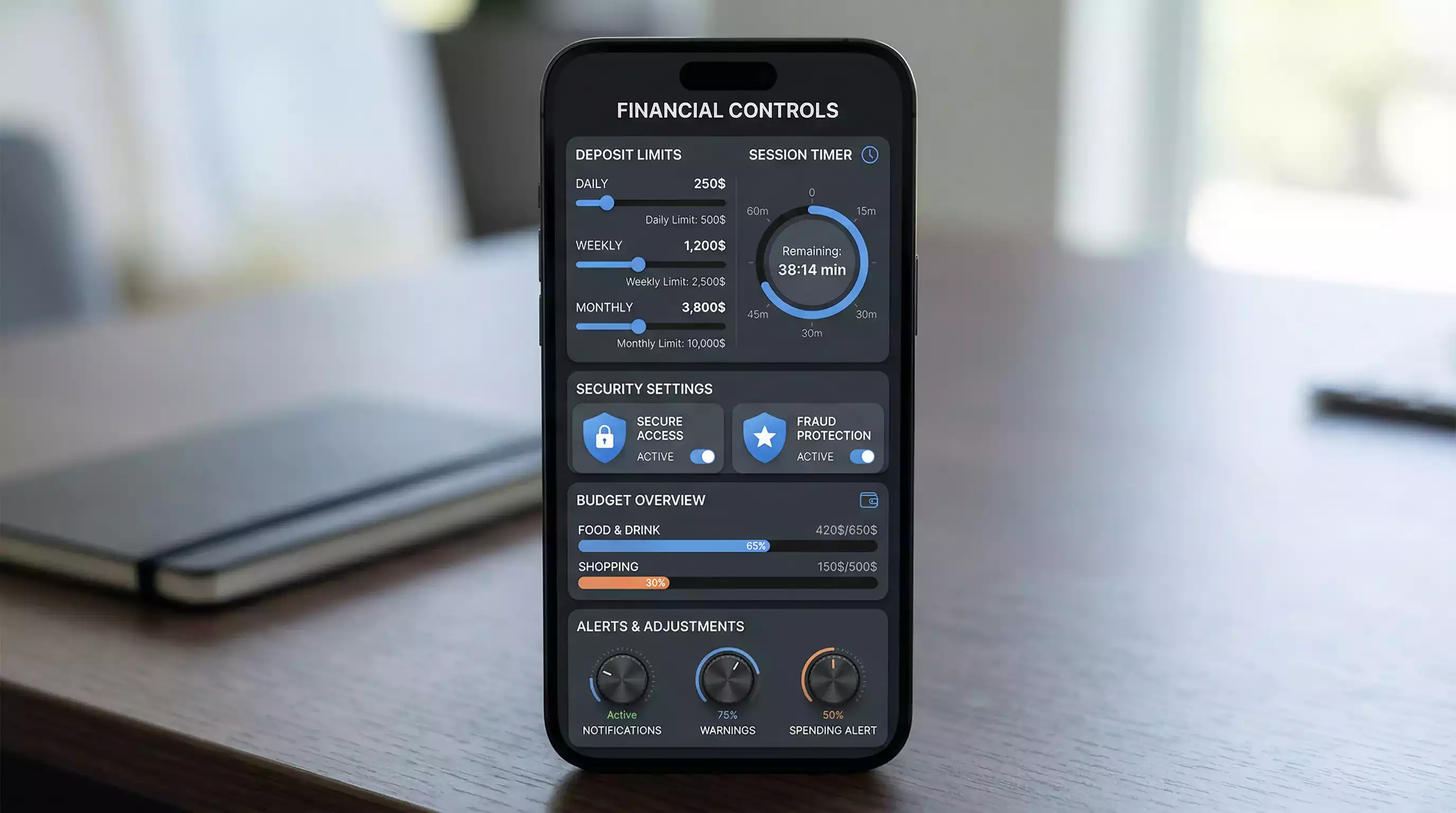
Deposit limits cap how much you can add to your betting account within specified periods. Set daily, weekly, or monthly maximums that align with your genuine budget for entertainment gambling. Once set, limits apply automatically – you can’t override them in moments of temptation, which is precisely the point.
Loss limits function similarly but track actual losses rather than deposits. If you set a £100 weekly loss limit, betting locks out once you’ve lost that amount regardless of remaining balance. This protects against the scenario where a large deposit enables a larger loss than you can truly afford.
Session time limits and reality checks interrupt extended betting sessions. A reality check might pause activity every hour to display how long you’ve been betting and your net position. These interruptions create decision points where you consciously choose to continue rather than drifting forward on autopilot.
Cooling-off periods provide temporary self-exclusion lasting hours or days. If you recognise you’re in a bad mental state for betting – emotionally volatile, chasing losses, making impulsive decisions – a cooling-off period removes access until the period expires. It’s structural protection against your own worst impulses.
The 2025 regulatory changes introduced stake limits for online slots – £5 per spin for those 25+, £2 for ages 18-24 – demonstrating active regulatory evolution toward stronger protection. While sports betting doesn’t face identical limits, the regulatory direction clearly favours more protective frameworks.
GAMSTOP and Self-Exclusion
GAMSTOP is the UK’s national self-exclusion scheme covering all UKGC-licensed gambling operators. One registration excludes you from every licensed betting site, casino, and gaming platform in Britain for your chosen period: six months, one year, or five years.
The registration process is straightforward but deliberately irreversible during the exclusion period. You provide personal details that operators use to block account creation and access. No exceptions exist during the exclusion term – not for special occasions, not for certain sites, not for any reason. This inflexibility is the point.
GAMSTOP addresses a common barrier to self-exclusion: the ease of simply opening accounts elsewhere. Excluding yourself from one site accomplishes little when dozens of alternatives accept you immediately. GAMSTOP closes those doors simultaneously, removing the option to seek gambling access during vulnerable moments.
Operators bear responsibility for enforcing GAMSTOP registrations. When you attempt to create accounts or log in during exclusion, operators must block access. Failures to enforce exclusions violate licensing conditions and result in regulatory action – the system has teeth beyond relying on voluntary compliance.
After exclusion periods end, you don’t automatically regain access. You must actively choose to return to gambling – a deliberate decision point that creates opportunity for reflection. Many people who complete GAMSTOP exclusions choose not to return to betting, having built lives without it during the exclusion period.
Where to Get Help
GambleAware provides confidential support, information, and treatment referrals for anyone affected by gambling harm. Their services extend beyond gamblers themselves to family members and others impacted by someone else’s gambling. Free resources include online tools, telephone counselling, and treatment service referrals.
The National Gambling Helpline operates around the clock, offering immediate support when you need it most. Speaking with trained advisors can provide perspective, validation, and practical guidance for next steps – whether that’s accessing treatment, implementing protective measures, or simply processing difficult feelings about gambling behaviour.
Gamblers Anonymous operates peer support groups across the UK where people share experiences and support each other’s recovery. The community aspect addresses isolation that often accompanies gambling problems – connecting with others who understand your struggle firsthand can be powerfully validating and practically helpful.
NHS gambling clinics provide specialised treatment for gambling disorder. Cognitive behavioural therapy, financial counselling, and structured treatment programmes address both the psychological patterns driving problematic gambling and the practical consequences that accumulate. Referrals come through GPs or self-referral depending on local services.
Seeking help isn’t admitting failure – it’s recognising that gambling problems are genuine conditions requiring appropriate responses, just like physical health conditions. The stigma that once surrounded gambling harm has diminished as understanding has grown. Help exists because it works, and accessing it is a reasonable, sensible response to a challenging situation.
What is GAMSTOP and how does it work?
GAMSTOP is the UK’s national self-exclusion scheme. One registration blocks your access to all UKGC-licensed gambling sites for six months, one year, or five years. The exclusion is comprehensive and cannot be overridden during the chosen period. After expiry, you must actively choose to return to gambling.
Can I set deposit limits for esports betting?
Yes. All UKGC-licensed operators must offer deposit limits allowing you to cap daily, weekly, or monthly deposits. Once set, limits apply automatically regardless of subsequent requests to exceed them. Most operators also offer loss limits, session time limits, and reality check notifications as additional protective tools.
Written by the editors at Esports Basketball Betting.