NBA 2K Futures Betting: Championship and Season Outrights
 Available in US
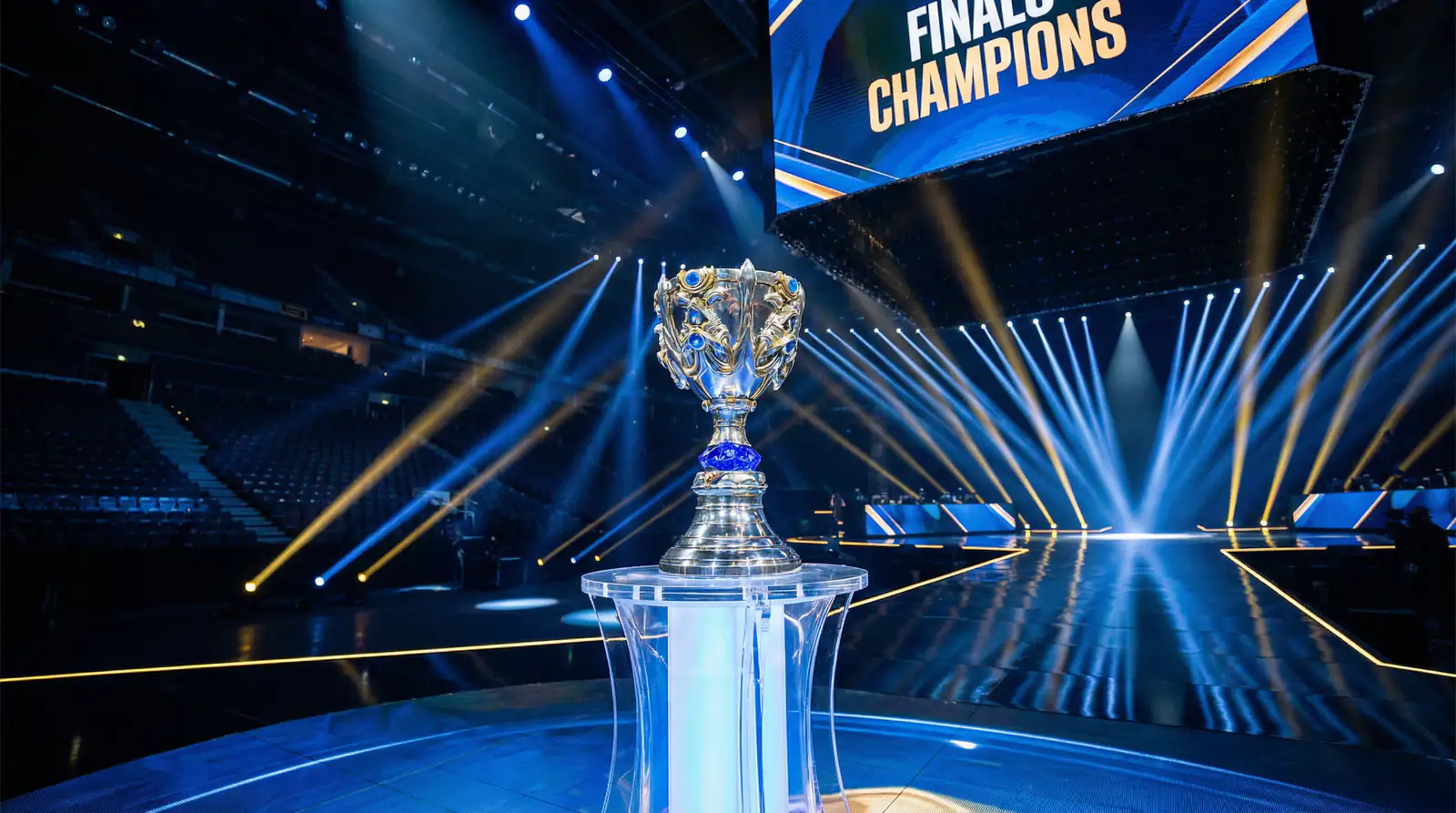
I locked in a futures bet on a mid-tier squad at 16/1 three days before the season opened in 2024. They’d signed a player who’d been quietly dominant in scrimmages, but the market hadn’t adjusted. When they lifted the championship trophy months later, that early position had returned more profit than my entire season of match-by-match betting combined.
Futures wagering operates on different timescales and different principles than betting individual matches. You’re locking capital into positions that might not resolve for weeks or months, trading liquidity for value you believe the market has mispriced. For NBA 2K League tournaments, where seasons are compressed and information asymmetry is high, futures represent one of the most interesting edges available.
Types of NBA 2K Futures Markets
Championship outright – who will win the title – remains the flagship futures market. Bookmakers price every competing team with odds reflecting their projected probability of winning the tournament. A team at 4/1 is implied to win roughly 20% of the time; one at 20/1 carries about 4.8% implied probability.
But tournament structure affects how these odds should be interpreted. The NBA 2K League’s prize pool hit $5 million in 2025, double the previous year’s amount. That increased stakes attracted more serious competitive preparation and changed team approaches to roster construction. Understanding tournament format – elimination versus group stages, best-of-three versus single games – matters when assessing whether longer odds represent genuine value or appropriate discounting.
Group winner markets offer shorter-term futures on teams topping their divisions or pools before playoffs begin. These resolve faster than championship outrights, freeing your capital more quickly. They also require different analysis – a team excellent at grinding out regular season wins might falter in knockout rounds, or vice versa.
Top scorer or MVP futures appear for larger tournaments. You’re betting which individual player will lead statistical categories or earn recognition as the competition’s best performer. These markets combine team projection (does the player’s team advance far enough to accumulate meaningful stats?) with individual assessment (will this player produce at projected rates?). The compound probability makes accurate pricing difficult – and therefore profitable when you analyse it correctly.
Some operators offer season specials: total wins for specific teams, whether certain records will be broken, head-to-head season outcomes between rivals. Availability varies significantly by bookmaker and tournament prominence. Major events attract broader futures menus; smaller competitions might offer only championship outright.
Championship Winner Betting
The NBA 2K League’s historical prize pool across 73 tournaments totals $7.8 million, demonstrating the scene’s maturation into a legitimate professional circuit. That professionalisation brings both opportunity and challenge for futures bettors.
Opportunity exists because esports markets remain less efficient than traditional sports. Bookmakers have decades of pricing data for football and racing but comparatively little for competitive gaming. Opening championship odds often rely on recent results and general reputation rather than deep analytical modelling. Sharp bettors who do genuine homework – tracking scrimmage footage, monitoring roster moves, analysing patch impacts – can identify mispriced contenders before the market corrects.
Challenge emerges from volatility. NBA 2K teams can transform dramatically between seasons. The league itself relaunched in November 2025 with just six teams and an entirely new format. Historical performance becomes less predictive when structural changes redefine competitive dynamics. Pre-season favourites can collapse; longshots can emerge.
When evaluating championship odds, I assess multiple factors: roster stability (did the core stay intact?), head coach continuity, meta adaptability (how well does the team’s style align with current game patches?), and tournament draw (does the bracket favour their strengths?). Teams that check multiple boxes warrant closer odds examination even if the market has them mid-pack.
One underrated consideration: pressure handling. Championship moments stress players differently than regular competition. Teams with veterans who’ve competed in high-stakes environments often outperform their talent level when stakes escalate. Conversely, talented but inexperienced squads sometimes choke in crucial situations. This psychological dimension doesn’t appear in statistical models but influences outcomes consistently.
When to Place Futures Bets
Timing transforms identical positions from value bets to poor investments. A team at 8/1 before the season differs fundamentally from the same team at 8/1 after five matches – even if the number looks identical.
Pre-season futures often offer the most value because information asymmetry peaks. You might have insights from scrimmages, roster announcements, or patch analysis that the market hasn’t yet absorbed. Once competition begins, public results inform odds adjustments, and your private information advantage shrinks.
But pre-season betting also carries maximum uncertainty. Injuries, roster surprises, tactical pivots – all can render your analysis obsolete before meaningful matches occur. The trade-off between value and risk tilts differently depending on your confidence level and bankroll structure.
In-season futures present different dynamics. After several rounds, team quality becomes clearer – but so do the odds. A genuine contender who started slowly might represent value if their early struggles were anomalous rather than indicative. A hot starter whose underlying metrics suggest regression might be overpriced despite their record.
I generally take initial futures positions pre-season on teams I’ve identified through off-season tracking, then add to positions or hedge as the tournament progresses. This staged approach balances capturing early value with retaining flexibility as new information emerges.
Assessing Long-Term Value
Value in futures betting requires thinking probabilistically over long horizons. A team at 10/1 represents value only if you genuinely believe they’ll win more than 9.1% of the time – not because you “like” them or they “feel” underrated.
Convert odds to implied probability, compare against your own assessment, and bet only when positive expected value exists. If a bookmaker offers 12/1 (implied 7.7%) on a team you project at 12% win probability, that’s a value proposition. If your honest assessment matches or falls below the implied probability, passing is correct regardless of how much you’d enjoy seeing them win.
Portfolio thinking helps manage futures variance. Rather than backing one team heavily, consider spreading exposure across multiple contenders where you see value. If three teams each offer positive expected value at different odds, sizing positions proportionally creates a portfolio more likely to produce returns than concentrating on a single selection.
Liquidity matters for longer-dated futures. Capital locked in a championship outright bet cannot be deployed elsewhere until the tournament concludes. Weigh potential returns against opportunity cost – could that money generate superior risk-adjusted returns through match betting over the same period? Sometimes the answer is no, and futures make sense. Sometimes match-by-match betting offers better capital efficiency.
Finally, track your futures bets meticulously. Record the odds taken, your assessed probability at time of bet, and eventual outcomes. Over multiple seasons, this data reveals whether your futures selections actually generate profit or whether you’re simply entertaining yourself with longshots that rarely land. Honest self-assessment prevents persistent leaks in your betting approach.
What NBA 2K futures markets are available in the UK?
UK bookmakers typically offer championship outright betting for major NBA 2K League tournaments. Larger events may also feature group winner markets, top scorer futures, and season specials. Availability varies by operator and tournament significance – check multiple licensed sites for the broadest selection.
When is the best time to bet on 2K League championship odds?
Pre-season often provides maximum value due to information asymmetry – you may have insights from roster moves or scrimmages that the market has not yet priced. However, this timing carries higher uncertainty. Consider staged approaches: initial positions before competition begins, with flexibility to add or hedge as the tournament progresses and team quality becomes clearer.
Created by the ”Esports Basketball Betting” editorial team.